Cave Animal Photo Gallery
Animals photographed in Western Cape caves, grouped by number of legs
No Legs
| Scientific name | Description | Photo | Common name | Cave | Obs |
|---|---|---|---|---|---|
| Crassiclitellata | Large, red-pigmented earthworms that follow moisture into cave entrances; they thrive in damp organic soils near cave streams. | 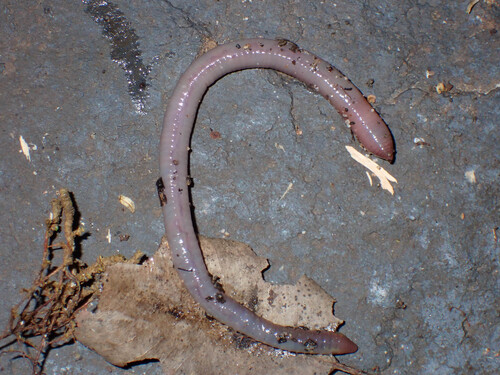 |
Typical Earthworms | Boegoe Triplets Caves | iNat ↗ |
| Oligochaeta | A diverse group of ringed worms found from surface soil to cave streams; they aerate substrate and process decaying plant matter. | 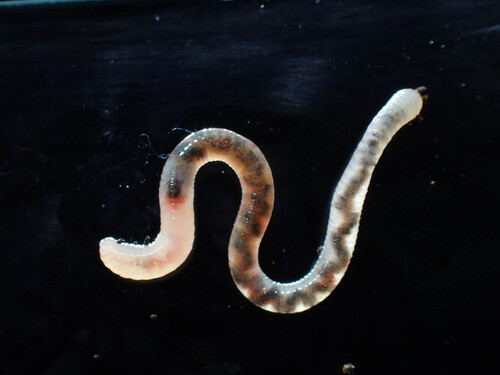 |
Earthworms and Allies | Bone Cave | iNat ↗ |
| Lumbricidae | Introduced European earthworms now widespread in the Cape; commonly found near cave entrances in moist, organically rich soils. | 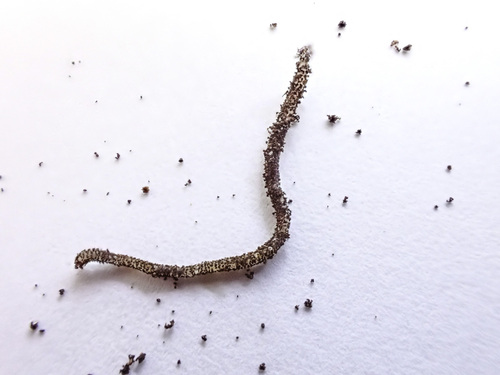 |
European Earthworms | Johalvin Cave | iNat ↗ |
| Geoplanidae | Flat, ribbon-like predatory flatworms that glide over damp surfaces on a layer of mucus; they hunt small invertebrates in humid cave microhabitats. | 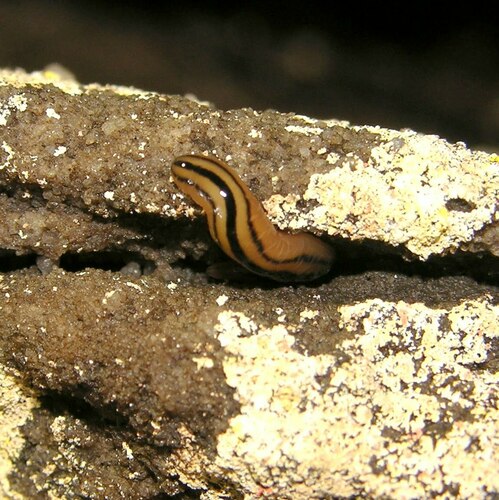 |
Land Planarians | Pristine Cave | iNat ↗ |
| Geoplanidae | Flat, ribbon-like predatory flatworms that glide over damp surfaces on a layer of mucus; they hunt small invertebrates in humid cave microhabitats. | 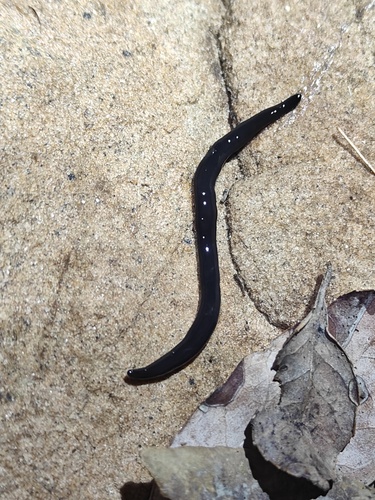 |
Land Planarians | Boegoe Triplets Caves | iNat ↗ |
Two Legs and Wings — Bats
| Scientific name | Description | Photo | Common name | Cave | Obs |
|---|---|---|---|---|---|
| Rousettus aegyptiacus | A large fruit bat that roosts in dense colonies deep in caves; unlike most fruit bats it uses rudimentary echolocation to navigate darkness. | 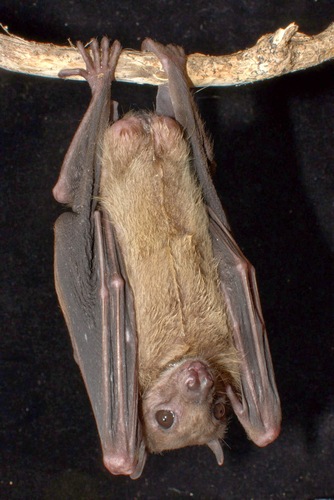 |
Egyptian Rousette | Bats Cave | iNat ↗ |
| Miniopterus natalensis | A fast-flying insectivorous bat that forms large maternity colonies in warm cave chambers; extremely sensitive to disturbance during the breeding season. | 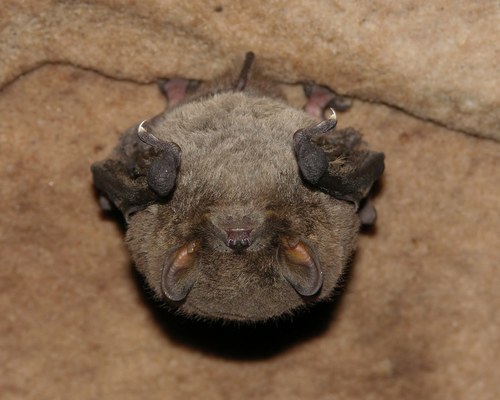 |
Natal Long-fingered Bat | Boomslang Cave | iNat ↗ |
| Rhinolophus clivosus | Identified by a distinctive horseshoe-shaped nose-leaf used for sophisticated echolocation; roosts in small groups in dark cave passages. | 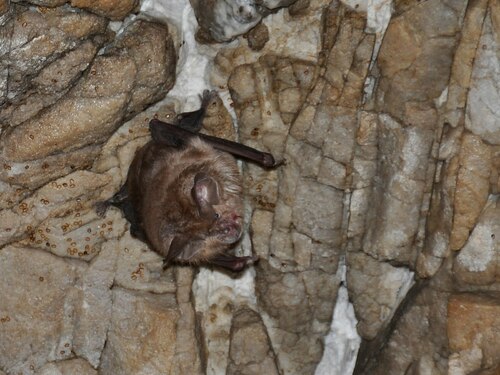 |
Geoffroy's Horseshoe Bat | Boskloof Cave | iNat ↗ |
| Rhinolophus | Horseshoe bats are named for the horseshoe-shaped fold of skin around their nostrils, which helps focus the ultrasonic pulses they use to echolocate. | 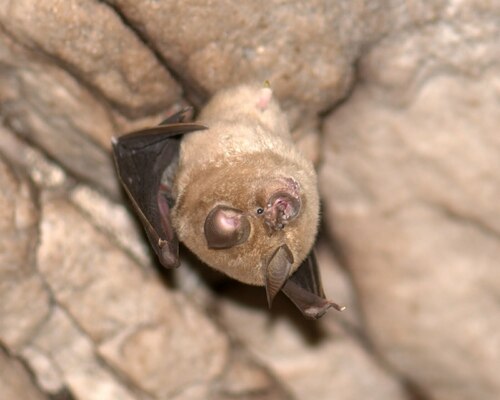 |
Horseshoe Bat | Taphos Cave | iNat ↗ |
| Myotis tricolor | A medium-sized bat that roosts singly or in small groups in caves and rock crevices; feeds predominantly on moths and other night-flying insects. Myotis is the little light coloured bat in the bottom left corner of the image. | 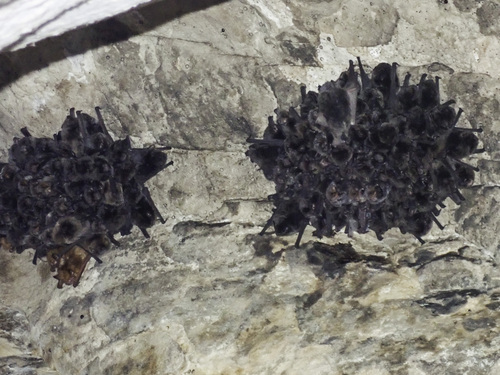 |
Cape Hairy Bat | Cave C Ghost Frog Cave | iNat ↗ |
Four Legs — Frogs
| Scientific name | Description | Photo | Common name | Cave | Obs |
|---|---|---|---|---|---|
| Amietia poyntoni | A powerful, large-eyed stream frog that shelters in cave entrances near fast-flowing water; males call from rocks at the water's edge. | 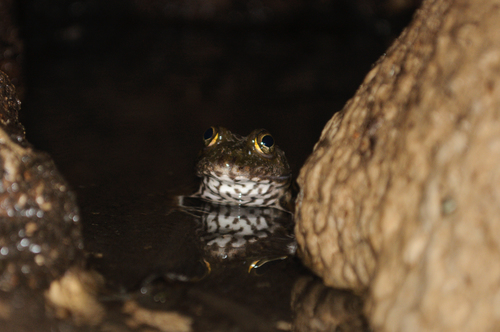 |
Poynton's River Frog | Campbells Cave | iNat ↗ |
| Heleophryne depressa | A rare ghost frog restricted to Cederberg mountain streams; tadpoles have sucker-like mouths to cling to wet cave rocks in fast-flowing water. | 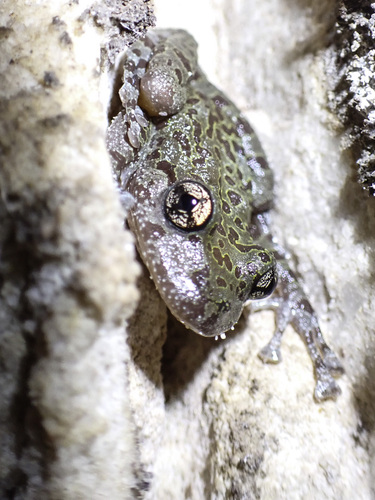 |
Cederberg Ghost Frog | Cave B Bat Cave | iNat ↗ |
| Breviceps montanus | A round, burrowing rain frog of mountain fynbos; wanders into damp cave entrances after rain, calling with high-pitched squeaks. | 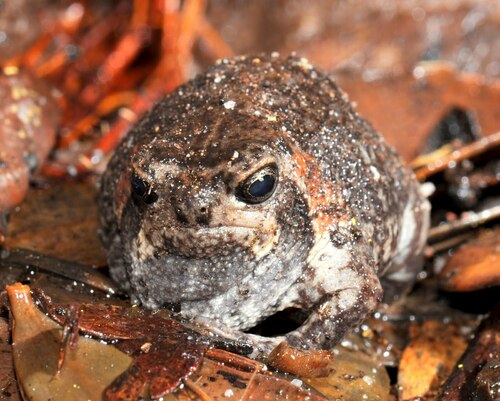 |
Mountain Rain Frog | Johalvin Cave | iNat ↗ |
| Strongylopus grayii | Named for its sharp clicking call; breeds along seeps and underground streams that emerge near cave entrances. | 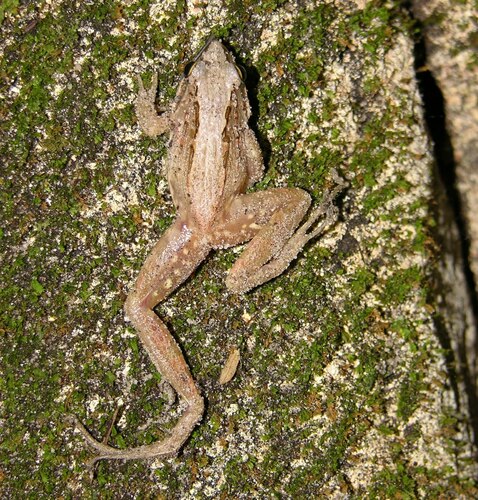 |
Clicking Stream Frog | Pristine Cave | iNat ↗ |
| Amietia fuscigula | A large, robust river frog common near cave entrances with permanently flowing water; an important prey item for snakes and herons. | 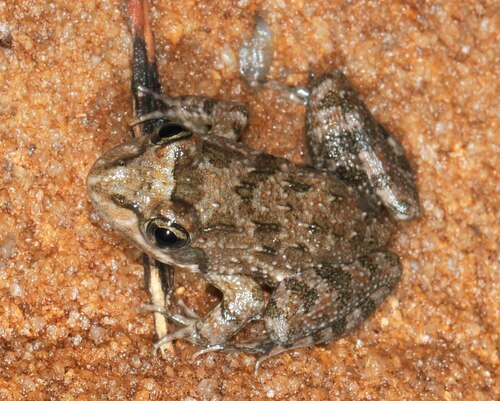 |
Cape River Frog | Swaelskrans Cave | iNat ↗ |
| Heleophryne rosei | Critically endangered and endemic to Table Mountain; breeds only in fast-flowing mountain streams and is highly sensitive to siltation and water abstraction. | 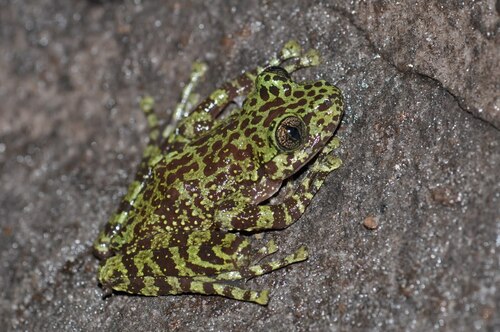 |
Table Mountain Ghost Frog | Wynberg Cave | iNat ↗ |
| Strongylopus | A genus of slender, fast-moving stream frogs; they breed in swift, rocky streams that often flow through or beneath cave entrances. | 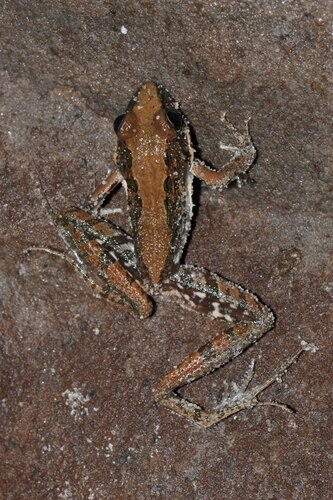 |
Stream Frogs | Wynberg Cave | iNat ↗ |
Six Legs — Insects and Allies
| Scientific name | Description | Photo | Common name | Cave | Obs |
|---|---|---|---|---|---|
| Machiloides | One of the most primitive wingless insects; bristletails forage in the cave twilight zone on algae and organic films and are among the few insects that continue to moult throughout adult life. | 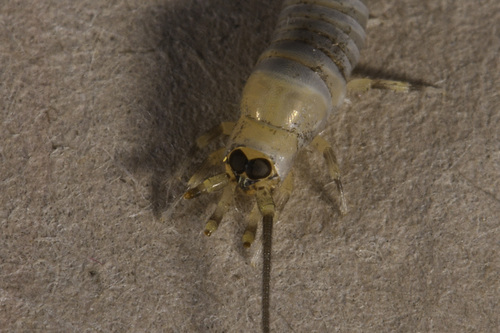 |
Cave Bristletail | Vivarium Cave | iNat ↗ |
| Anthrenus | Carpet beetle larvae thrive in the guano, shed skin and dried insect remains that accumulate in bat roost caves; they are important decomposers in the cave food web. | 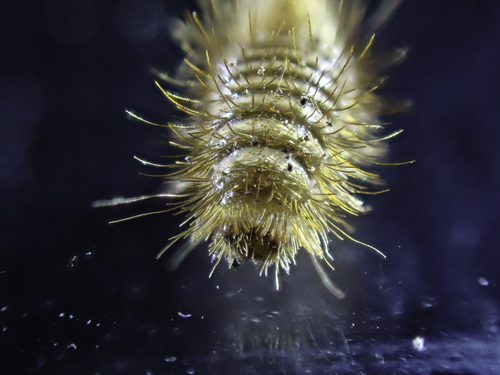 |
Carpet Beetles | Cecilia Cave | iNat ↗ |
| Antisolabis sulcatipes | A Cape earwig with distinctive grooved forceps; shelters in damp crevices near cave entrances and scavenges decaying plant matter and small invertebrates in the organic debris that accumulates near cave mouths. |  |
Cape Earwig | Inukshuk Cave | iNat ↗ |
| Penicillidia | A completely wingless bat fly (family Nycteribiidae) that spends its entire adult life clinging to bat fur inside cave roosts; larvae are deposited on cave walls where they drop and pupate. | 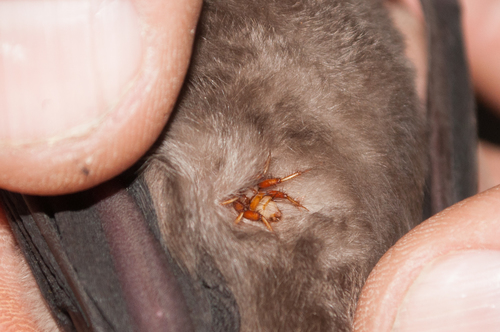 |
Bat Fly | Oumatjie Cave | iNat ↗ |
| Afrocimex | An African bat bug (family Cimicidae) that feeds exclusively on the blood of cave-roosting bats; its flattened body and reduced eyes are adaptations to life in the permanent darkness of bat caves. | 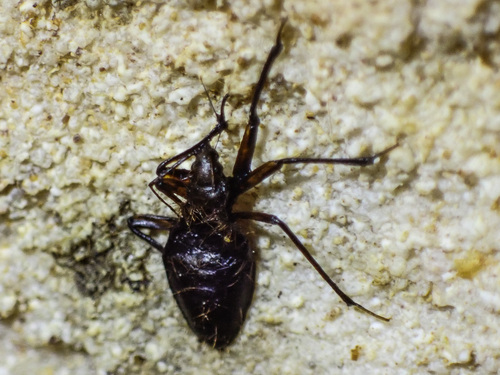 |
Bat Bug | Cave B Bat Cave | iNat ↗ |
| Camponotus | Carpenter ants forage into cave entrances from nests in nearby soil and rotting wood; they scavenge guano, dead invertebrates and plant material in the twilight zone. | 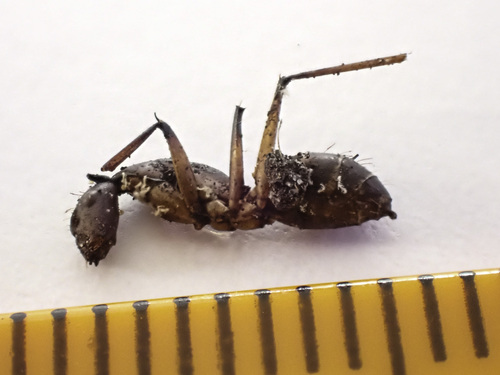 |
Carpenter Ant | Sarcophagus Cave | iNat ↗ |
| Apisa canescens | A pale grey moth recorded at cave entrances; adults rest on damp rock faces in the twilight zone, and larvae are thought to feed on algae and organic debris on cave walls. | 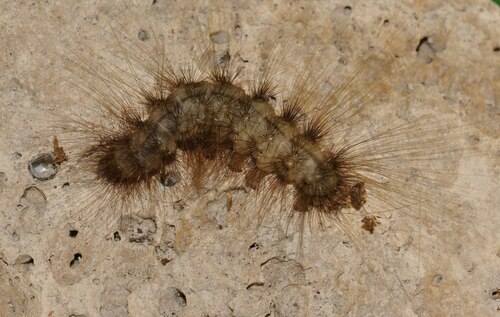 |
Greyling | Boskloof Cave | iNat ↗ |
| Taeniochauliodes fuscus | The aquatic larvae of this dobsonfly develop only in clean, fast-flowing mountain streams running through cave systems; adults emerge briefly near cave entrances to mate and are key water-quality indicators. | 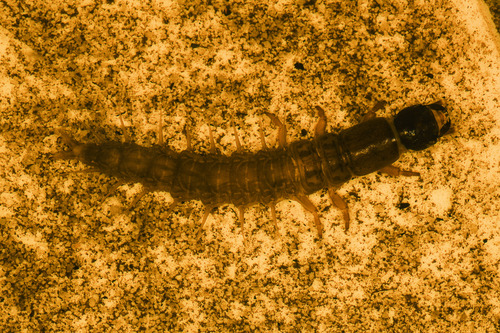 |
Table Mountain Fishfly | Devils Pit Cave | iNat ↗ |
| Spelaeiacris tabulae | A troglobitic cave cricket endemic to the Table Mountain cave system; blind, long-legged, and entirely dependent on bat guano as its primary food source — a true cave obligate. | 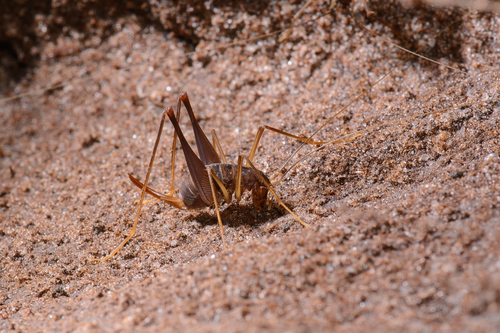 |
Table Mountain Cave Cricket | Boomslang Cave | iNat ↗ |
| Psocodea | Bark lice feed on fungi and algae on damp cave walls; tiny and fast-moving, they play an important role in cave nutrient cycling and are often the most abundant insects in the cave interior zone. | 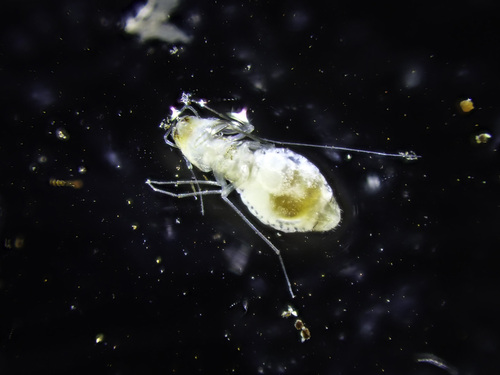 |
Bark Lice | Cecilia Cave | iNat ↗ |
| Campodea | An eyeless, pale dipluran (class Entognatha) found in Cape Peninsula cave interiors; uses enlarged chemosensory antennae to navigate in total darkness and forages on fungi and decaying organic matter. | 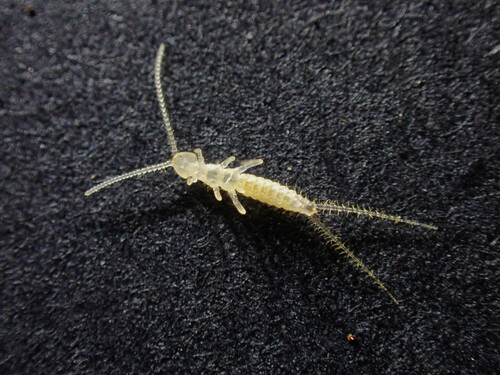 |
Dipluran | Prism Cave | iNat ↗ |
| Entomobryomorpha | Long springtails (class Entognatha) use a forked tail appendage to leap clear of danger; cave-dwelling species aggregate in humid spots to prevent desiccation and graze on fungal films on cave walls. | 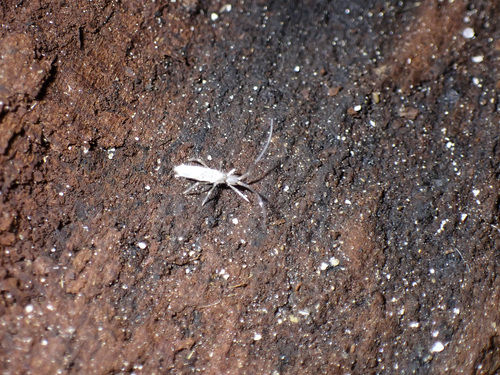 |
Long Springtails | Hangmans Drop Cave | iNat ↗ |
Eight Legs — Spiders and Harvestmen
| Scientific name | Description | Photo | Common name | Cave | Obs |
|---|---|---|---|---|---|
| Izithunzi capense | A large, long-legged hunting spider; the dark violin-like marking on its carapace mimics the dangerous violin spider, though it is harmless to humans. | 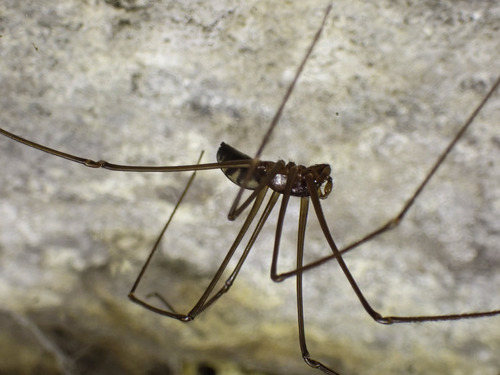 |
Peninsula False-Violin Spider | Aboulia Cave | iNat ↗ |
| Theridion | A genus of small cobweb spiders that build irregular tangled webs in cave-entrance crevices to snare passing insects. | 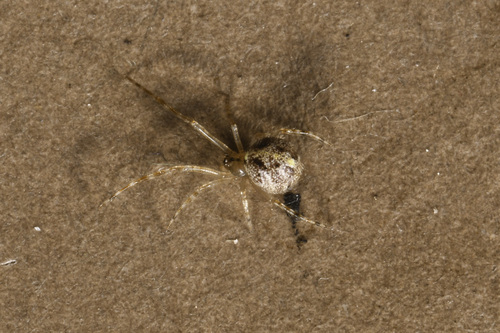 |
Cobweb Spider | Adamastor Cave | iNat ↗ |
| Spermophora peninsulae | A delicate, near-transparent pholcid spider perfectly adapted to cave darkness; hangs motionless in its web and vibrates rapidly when disturbed. | 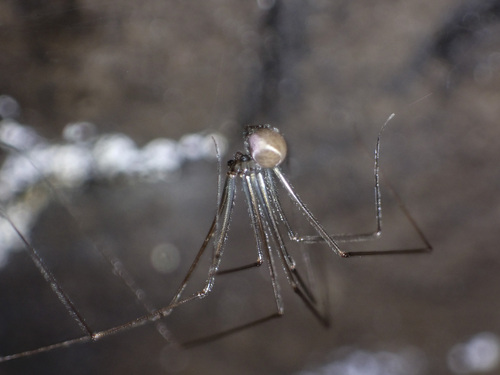 |
Cave Daddylonglegs | Adamastor Cave | iNat ↗ |
| Metellina haddadi | A small orb-weaving spider known from a handful of Cape Peninsula cave sites; builds delicate orb webs across damp crevices. | 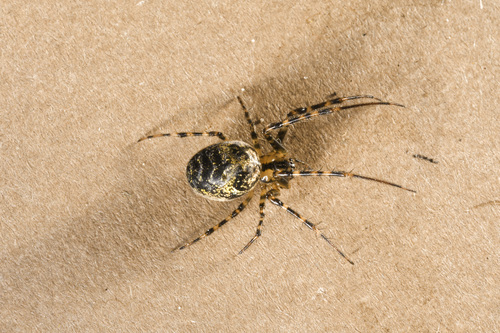 |
Orb-weaving Spider | Adamastor Cave | iNat ↗ |
| Hahnia | Tiny ground spiders that build flat, sheet-like webs across damp cave floors; they detect prey vibrations through the web surface. | 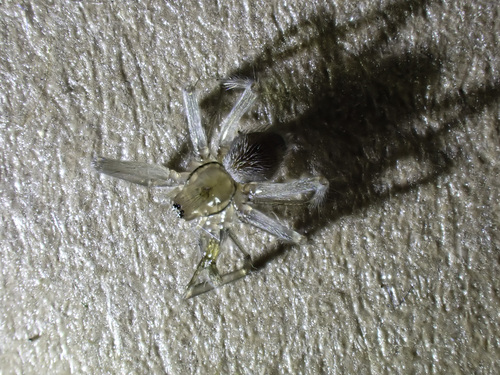 |
Sheet-web Spider | Adamastor Cave | iNat ↗ |
| Anyphops | Flat, crab-like spiders (family Selenopidae) that press tight against rock surfaces; they dart with remarkable speed when prey approaches. | 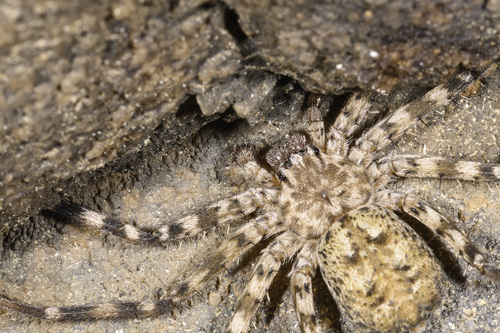 |
Flatty Spider | Adamastor Cave | iNat ↗ |
| Phyxelididae | Hairy funnel-web spiders that build large, loose sheet webs draped across cave walls and boulders near the entrance zone. | 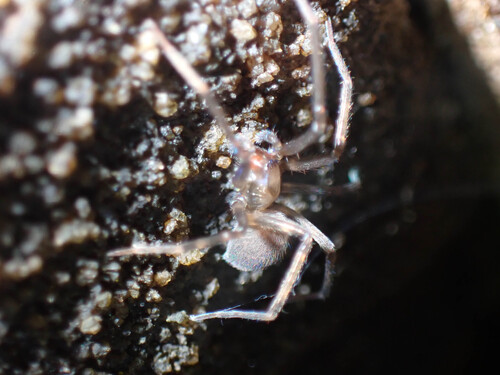 |
Phyxelidid Spider | Annies Alcove | iNat ↗ |
| Macrobunidae | A primitive spider family poorly known from Cape Peninsula caves; mainly recorded from dark, humid microhabitats with consistently high moisture. | 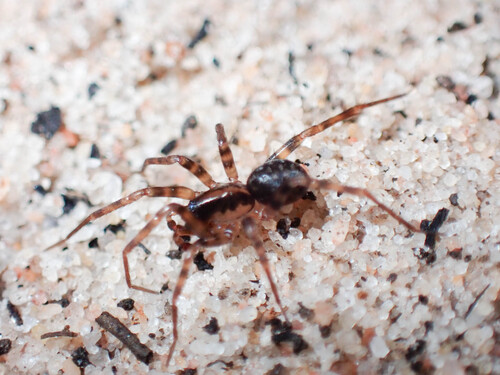 |
Macrobunid Spider | Boegoe Triplets Caves | iNat ↗ |
| Caddella | A small, poorly known harvestman genus recorded from dark, damp sections of quartzite caves. | 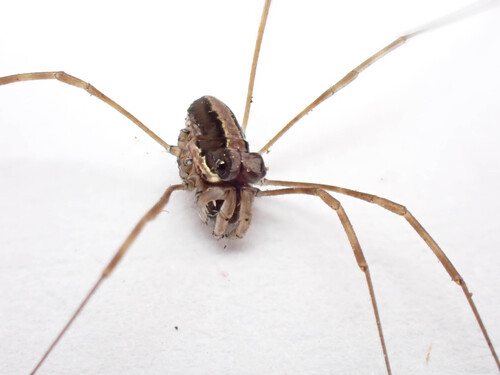 |
Caddella Spider | Boegoe Triplets Caves | iNat ↗ |
| Pettalidae | Primitive, eyeless harvestmen considered troglobitic relicts; their scattered distribution across the southern hemisphere reflects ancient Gondwana geography. | 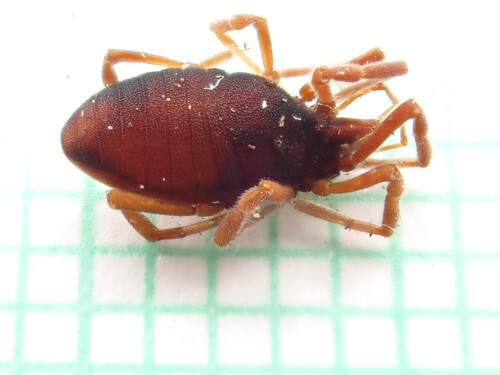 |
Pettalid Harvestman | Boegoe Triplets Caves | iNat ↗ |
| Phyxelididae | Hairy funnel-web spiders that build large, loose sheet webs draped across cave walls and boulders near the entrance zone. | 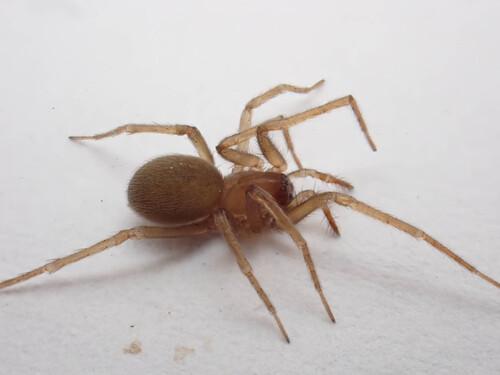 |
Phyxelidid Spider | Boegoe Triplets Caves | iNat ↗ |
| Spermophora peninsulae | A delicate, near-transparent pholcid spider perfectly adapted to cave darkness; hangs motionless in its web and vibrates rapidly when disturbed. | 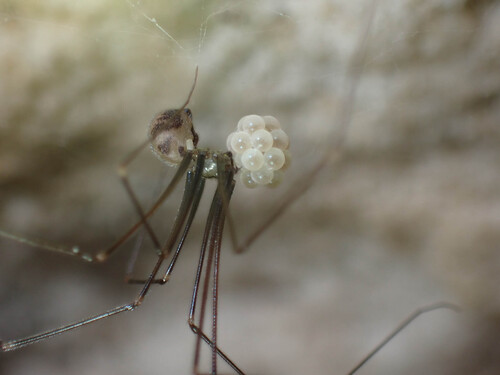 |
Cave Daddylonglegs | Bone Cave | iNat ↗ |
| Triaenonychidae | Armoured harvestmen with a segmented abdomen and powerful chelicerae; often found in damp cave leaf litter and along wet cave walls. | 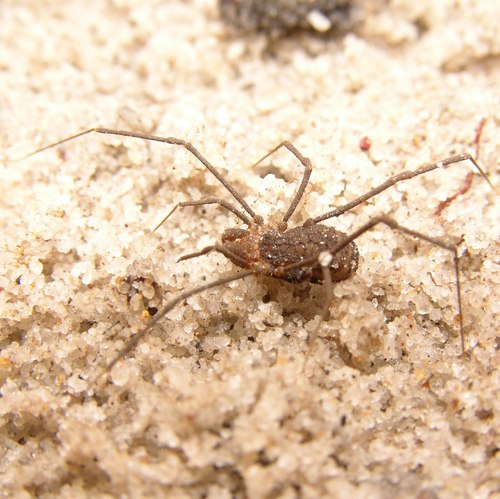 |
Triaenonychid Harvestman | Boomslang Cave | iNat ↗ |
| Acari | Tiny eight-legged arthropods; cave mites feed on fungi, bacteria, or other invertebrates and play a key role in cave nutrient cycling. | 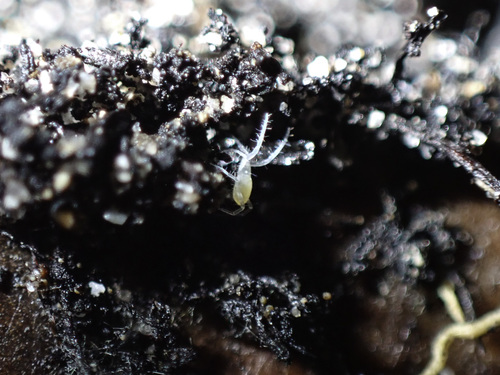 |
Mites and Ticks | Hangklip Cave | iNat ↗ |
| Spiroctenus | A poorly known spider genus recorded from a handful of dark, humid Peninsula cave sites; little described in the scientific literature. | 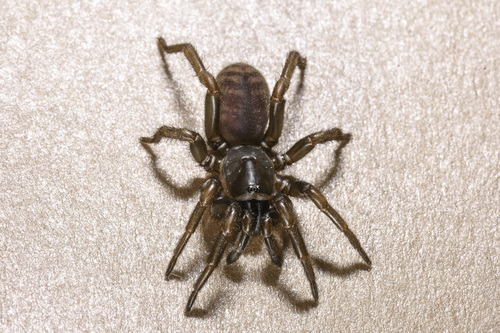 |
Spiroctenus Spider | Hangklip Cave | iNat ↗ |
| Theridiidae | Small cobweb spiders named for serrated bristles on their hind legs used to throw silk over prey before biting. | 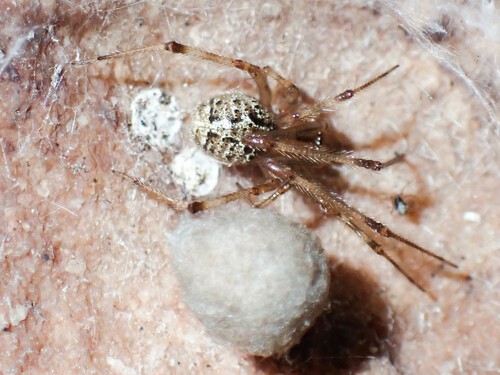 |
Comb-footed Spider | Imp Cave | iNat ↗ |
| Speleomontia cavernicola | A troglobitic harvestman endemic to quartzite caves on the Cape Peninsula; blind, pale, and long-legged — a true specialist of the cave environment. | 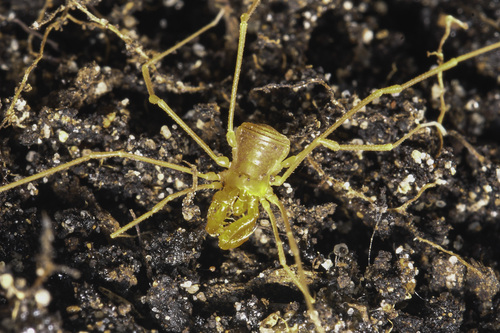 |
Cave Trinon Harvestman | Inukchuk Cave | iNat ↗ |
| Purcellia illustrans | A harvestman in the family Triaenonychidae; recorded from Peninsula cave observations, favouring damp rocky crevices near the cave entrance zone. | 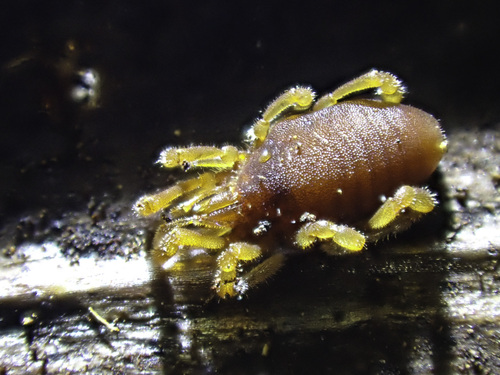 |
Purcellia Harvestman | Johalvin Cave | iNat ↗ |
| Phyxelididae | Hairy funnel-web spiders that build large, loose sheet webs draped across cave walls and boulders near the entrance zone. | 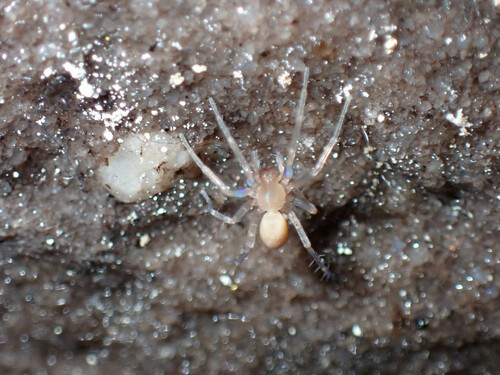 |
Phyxelidid Spider | Lower Aladdin Cave | iNat ↗ |
| Steatoda capensis | A stout, dark cobweb spider that builds tangled webs in sheltered cave entrances; feeds on insects, woodlice, and other spiders. | 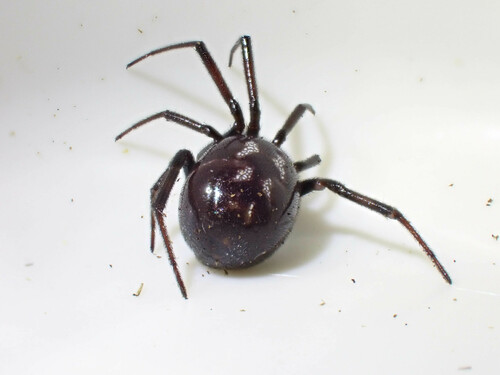 |
Black Cobweb Spider | Natures Valley Guano Cave | iNat ↗ |
| Phyxelididae | Hairy funnel-web spiders that build large, loose sheet webs draped across cave walls and boulders near the entrance zone. | 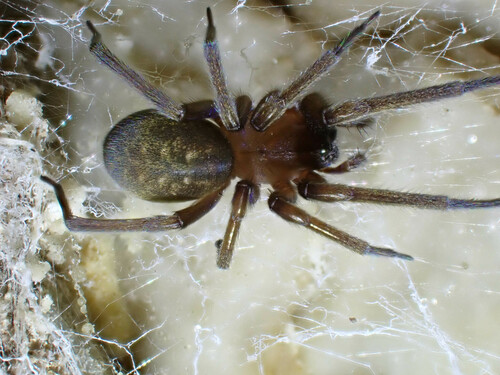 |
Phyxelidid Spider | Natures Valley Guano Cave | iNat ↗ |
| Malaika longipes | A locally endemic hacklemesh weaver that drapes silky cribellate webs across damp cave walls; uses a comb-like structure to produce sticky capture silk. | 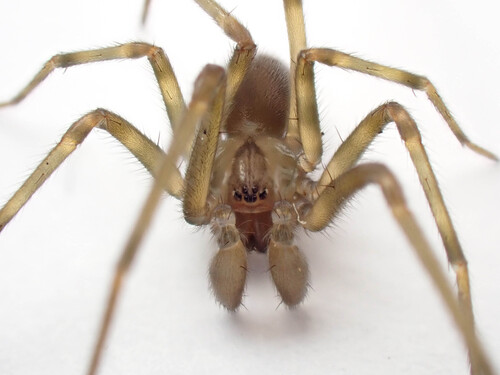 |
Peninsula Hacklemesh Weaver | Tartarus Cave | iNat ↗ |
| Speleomontia cavernicola | A troglobitic harvestman endemic to quartzite caves on the Cape Peninsula; blind, pale, and long-legged — a true specialist of the cave environment. | 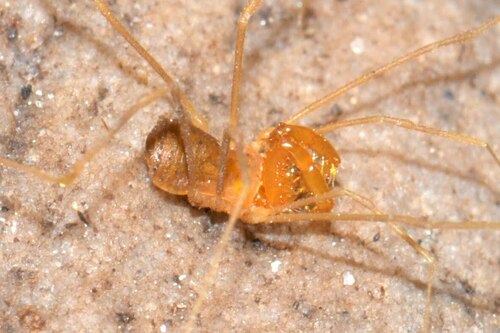 |
Cave Trinon Harvestman | Wynberg Cave | iNat ↗ |
Many Legs — Centipedes and Millipedes
| Scientific name | Description | Photo | Common name | Cave | Obs |
|---|---|---|---|---|---|
| Cryptops | Blind, fast-moving centipedes (order Scolopendromorpha) that hunt other cave invertebrates in complete darkness using touch and chemical senses. | 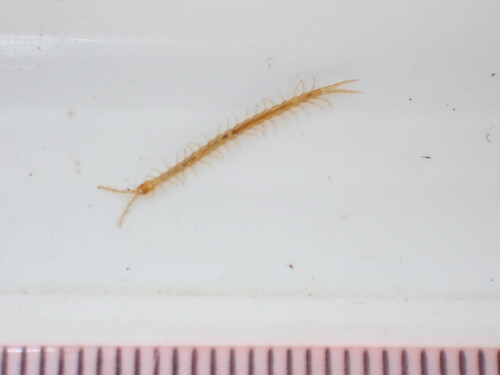 |
Cave Centipede | Bone Cave | iNat ↗ |
| Paralamyctes asperulus | A small, ancient centipede in the primitive family Henicopidae; one of the oldest living centipede lineages, found in moist rocky habitats. | 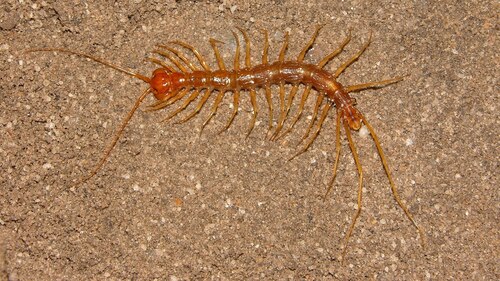 |
Paralamyctes Centipede | Boomslang Cave | iNat ↗ |
| Lithobiomorpha | Fast-moving, flat-bodied stone centipedes with 15 pairs of legs; they hunt under rocks near cave entrances and are sensitive to desiccation. | 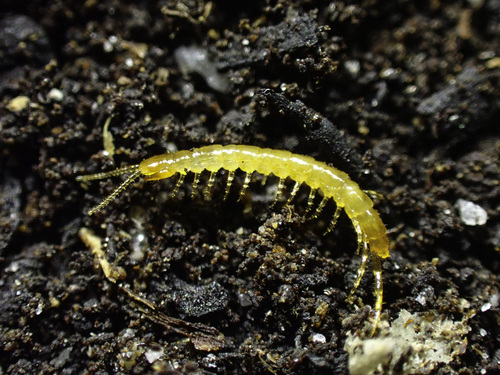 |
Stone Centipede | Johalvin Cave | iNat ↗ |
| Henicopidae | A family of small, primitive centipedes with many body segments; they favour the high humidity of cave entrance zones and wet rocky crevices. | 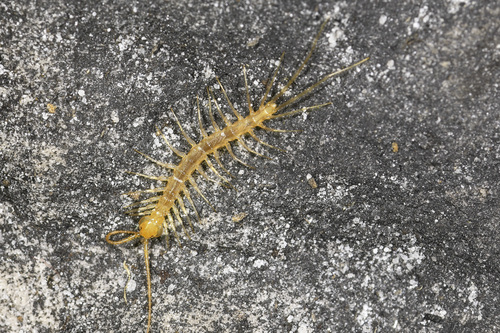 |
Henicopid Centipede | Tartarus Cave | iNat ↗ |
| Polydesmida | Flat-backed millipedes with a distinctive double row of leg-bearing segments and lateral keels; they feed on decaying organic matter carried into caves by water. | 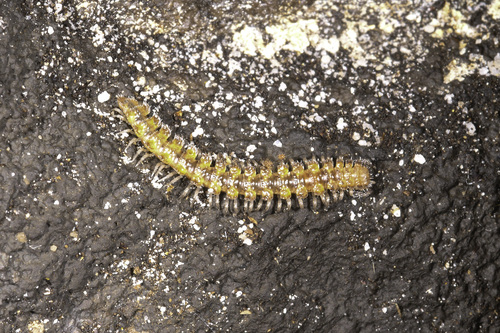 |
Keeled Millipede | Adamastor Cave | iNat ↗ |
| Polydesmida | Flat-backed millipedes with a distinctive double row of leg-bearing segments and lateral keels; they feed on decaying organic matter carried into caves by water. | 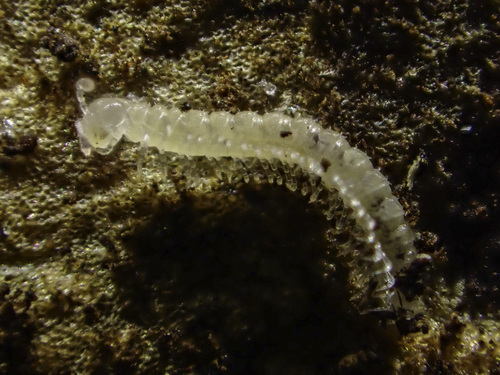 |
Keeled Millipede | Johalvin Cave | iNat ↗ |
| Peripatopsis alba | Extremely rare white velvet worm that only occurs in Table Mountain caves. | 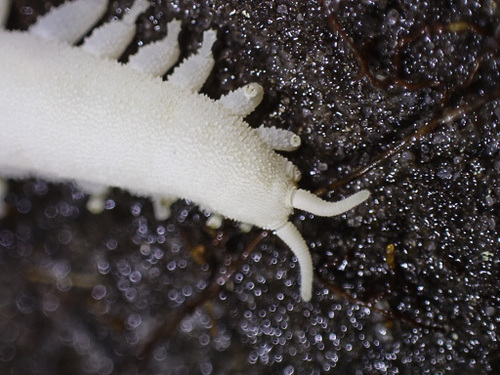 |
Velvet worm | Inukchuk Cave | iNat ↗ |
In the Water
| Scientific name | Description | Photo | Common name | Cave | Obs |
|---|---|---|---|---|---|
| Paramelita | A genus of freshwater amphipod crustaceans found in Peninsula cave streams; small, shrimp-like, and highly sensitive to water quality and temperature. | 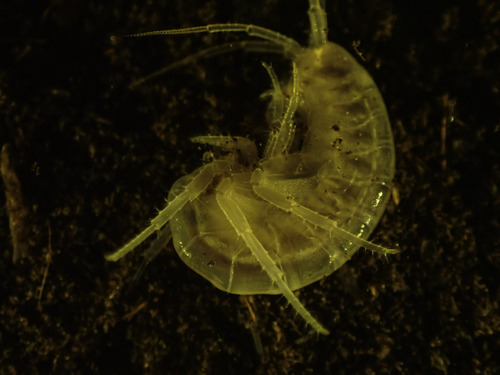 |
Cave Amphipod | Aboulia Cave | iNat ↗ |
| Dugesiidae | Freshwater flatworms (triclads) that glide along wet cave surfaces on a layer of mucus, feeding on small invertebrates and decaying matter. | 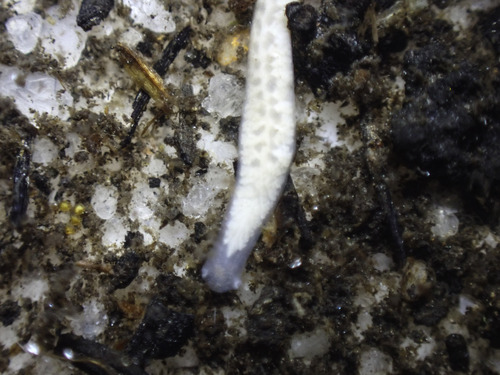 |
Freshwater Planarian | Aboulia Cave | iNat ↗ |
| Paramelita barnardi | A cave-adapted amphipod crustacean endemic to the Cape Peninsula; feeds on organic detritus in underground streams and is named for the zoologist J.H. Barnard. | 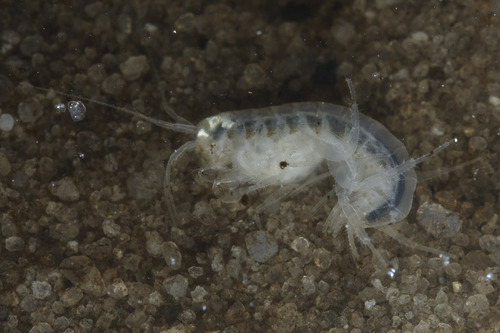 |
Peninsula Cave Amphipod | Boomslang Cave | iNat ↗ |
| Paramelita nigroculus | A blind, cave-adapted amphipod found in underground streams on the Cape Peninsula; it scavenges organic matter in the permanent darkness of cave pools. | 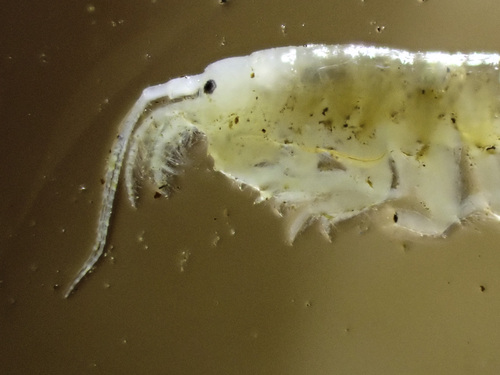 |
Black-eyed Cave Amphipod | Cave A Guano Cave | iNat ↗ |
| Taeniochauliodes fuscus | The aquatic larva of a dobsonfly that lives only in clean, fast-flowing cave streams on Table Mountain; an important indicator of water quality. | |
Table Mountain Fishfly | Devil's Pit Cave | iNat ↗ |
| Dugesiidae | Freshwater flatworms (triclads) that glide along wet cave surfaces on a layer of mucus, feeding on small invertebrates and decaying matter. | 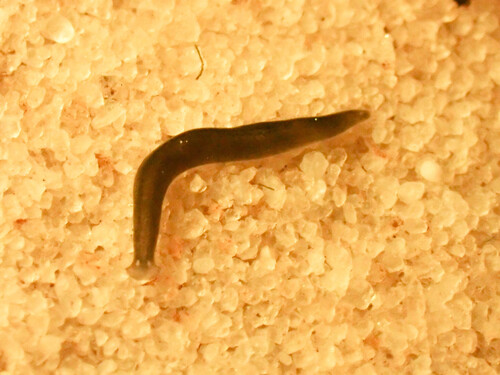 |
Freshwater Planarian | Ronan's Well Cave | iNat ↗ |
| Spelaeogriphus lepidops | An extraordinary living fossil — the sole member of its own crustacean order, found nowhere else on Earth except the water inside Boomslang Cave on Table Mountain. | 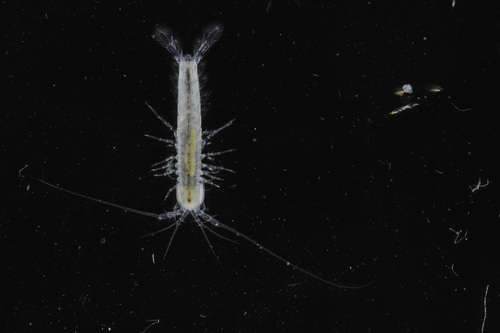 |
Table Mountain Cave Shrimp | Vivarium | iNat ↗ |
| Peracarida | A crustacean superorder including cave-adapted amphipods, isopods (water lice) and allies; females brood their young in a special pouch. | 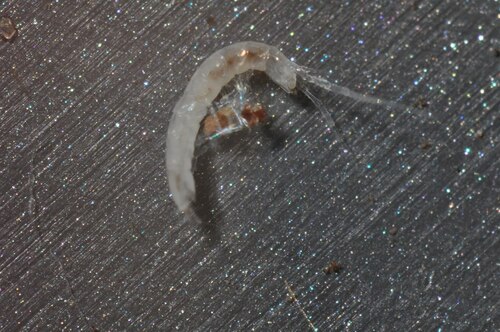 |
Amphipods, Isopods and Allies | Wynberg Cave | iNat ↗ |
| Asellota | Cave-adapted isopod crustaceans; small, flat water lice that scavenge organic matter and fungal material deposited in cave streams and pools. | 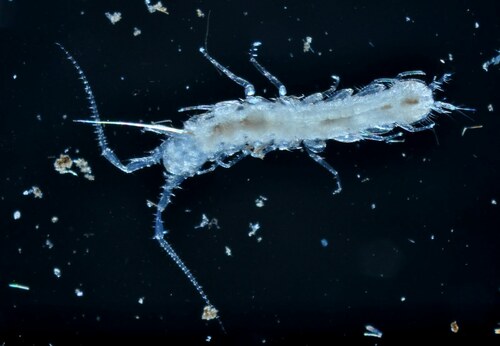 |
Asellotes | Wynberg Cave | iNat ↗ |