Cave Invertebrate Atlas Project
A citizen science survey by Peter Swart and team
Project Overview
This ongoing survey documents the invertebrate life found in caves across South Africa's Western Cape province. Through careful manual searching and photographic documentation, the project is building a picture of which species live underground in this remarkable region — and where the gaps in our knowledge still lie.
Progress at a Glance
Between September 2023 and October 2025, the survey has reached the following milestones:
- 45 caves visited across the Western Cape
- 472 photographic observations recorded in the field
- 217 specimens collected and submitted for expert identification
- 5 animal phyla documented to date
Study Area
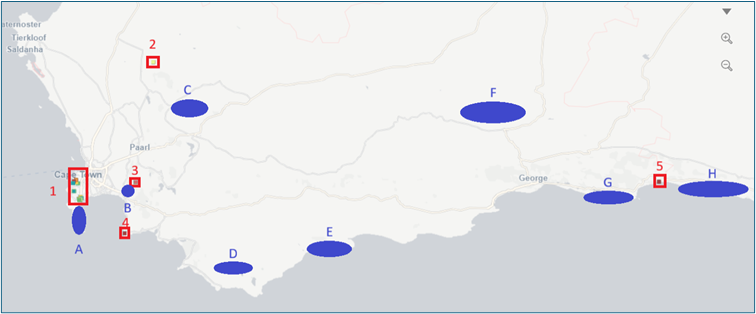
The survey focuses on the cave regions of the Western Cape. So far, five caving areas have been visited and partially surveyed, with a further eight known caving areas still to be explored. The map below shows visited areas (red) and areas yet to be surveyed (blue).
How the Survey Is Conducted
All observations are made by manual searching — no traps are used. When an invertebrate is found, it is photographed on the spot. If it cannot be identified in the field, a specimen is collected and submitted to the Iziko Museum in Cape Town for expert analysis.
Invertebrates represent an enormous diversity of life, and specialist identification expertise is limited. The project has been fortunate to receive assistance from:
- Dr Martin Villet, who has provided many identifications, particularly within the family Meinertellidae
- Dr Charles Haddad, who has assisted with arachnid identifications
- Dr Simon van Noort and Aisha Mayekiso of the Iziko Museum in Cape Town, for curating the collected specimens
- SANParks and CapeNature, for issuing the permits that make this research possible
A full breakdown of families collected is available in the observations table. It's worth noting that around 13.6% of all observations could not be identified down to family level, reflecting how much remains unknown about cave invertebrate diversity in the region.
What We've Found So Far
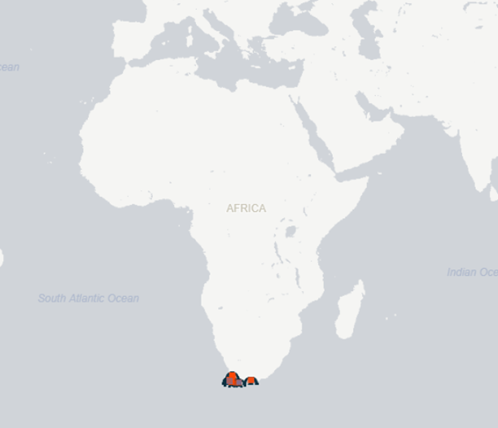
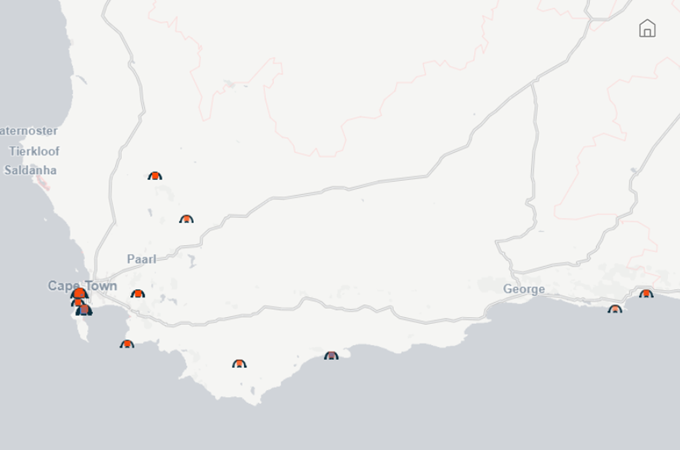
The survey has already documented invertebrates across five animal phyla, with specimens spanning a wide range of families. The diversity encountered, even in partially surveyed areas, suggests that the Western Cape's cave systems harbour a rich and still poorly understood underground fauna.
A Note on Table Mountain
The cave systems of Table Mountain deserve special mention as a biological diversity hotspot. The mountain's unique geology and long isolation have created conditions that support a remarkable range of cave-dwelling invertebrates, and its significance to biodiversity in the region cannot be overstated. However, a dedicated team is already conducting their own survey of the Table Mountain caves, and to avoid duplication of effort, this project has — for the time being — left that important area in their capable hands.
What Comes Next
While the project is off to a strong start, there is much still to do. The priority areas going forward are:
- Revisiting surveyed caves at different times of year to capture seasonal variation in species activity
- Expanding into unsurveyed areas — eight caving regions within the Western Cape have not yet been visited
As the survey grows, it will contribute to a better understanding of cave biodiversity in the Western Cape and help identify species that may be unique to, or particularly dependent on, these underground habitats.
Last updated: November 2025